Thursday, June 13, 2019

How to protect your rare coin collection

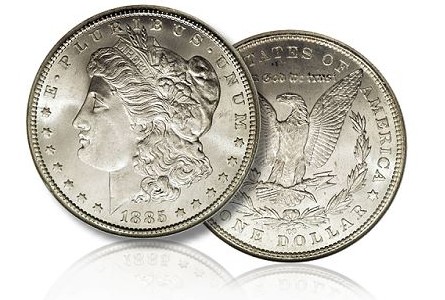
Rare coin collections can be valued from thousands of dollars to even millions, depending on the rarity and condition of the pieces. This makes rare coins an investment demanding utmost care and protection.

Image search: picclick.co.uk

According to hobbyist Dr. Tom Maibenco, ancient coins in great condition might have lasted centuries, but in the wrong hands, they can easily get damaged and lose their value. If you want to enter the wonderful world of rare coin collection, here are some tips to protect your own:

The first thing you need to protect is an actual case. Physical cases can hold one or many coins at the same time. These cases protect coins from external elements like dust and water, help organize and lend a presentability to the collection, and prevent observers from handling or touching pieces in your collection. These cases can take the form of air-Tites, tiles, plastic coin flips, and glass containers.

Image search: fairfieldinsuranceinc.com

The next step in protecting your rare coin is knowing how to keep them in pristine condition. Using the wrong cleaning agent can corrode the metal and ruin a rare coin completely. If you are unsure of your capability in conservation, you can seek the help of a professional for cleaning and restoration of rare coins.

According to Dr. Tom Maibenco, rare coin collection is one of the most tedious hobbies. Thankfully, the value of coins does not fluctuate as much, giving collectors who own pristine rare coins big rewards for their investment.

A family physician who is an advocate of many great causes, Dr. Tom Maibenco finds his purpose in helping his community as he is a proud member of the Wounded Warrior Project. For more reads on Dr. Maibenco’s hobbies, visit this page.

Thursday, September 13, 2018

Fly fishing in the colder months


Should people set aside their waders and fishing equipment when the colder months set in?  Well, they should if they’re completely spent and done with fishing for the season.  However, if people still want to fish, there’s one really good reason to go on doing so – it can be done.  


Fly fishing can be done successfully in the winter.  However, it needs a bit of an adjustment to bait and reel in the fish.

For instance, people need to know that the cold weather makes fishes more sluggish than usual.  Fishes will try to conserve energy by moving slowly.  Anglers should use heavier flies to reach fishes in deeper waters, where they usually stay during winter.  A high-stick method is also recommended since it lowers drag from the line and increases dead drift.


The timing is also a bit different.  The rest of the year, fishing in the morning is ideal.  However, om the winter, fishes move around more in the afternoon when the sun is out to get more of the heat. 


Finally, streams during the winter time are lower and clearer than the rest of the year.  This means that fishes see the tippet more.  Because of this, anglers should use smaller and lighter tippets.  Sizes 6X or 7X are perfect. 

Dr. Tom Maibenco is a family physician, clinical director, and educator who plays a dynamic role in the community. In his spare time, he enjoys coin collecting, fishing, and exploring the outdoors. For related reads, visit this page.


Monday, September 3, 2018

What you need to know when buying rare coins online

Coin collection is a worthwhile hobby if you have the resources and the time. A coin collector usually buys coins from other collectors, from antique shops, auctions, museums, and other public events. The internet is also a real purchasing platform. However, this is one of the riskier places to buy, especially if you’re in the market for rare coins. Here are some considerations when buying rare coins online. 

Image source: thesprucecrafts.com

Buying coins online requires utmost care. There is no guaranteed return policy for every seller out there. If you ever get duped into buying a fake, that mistake is on you. So before making any purchase, make sure to check the profile of the seller if you’re buying from third party stores like Ebay or Amazon. 

It’s a good rule of thumb to snub every seller that comes from China or Hong Kong. Even if the seller isn’t from those places, if he or she has warehouses there, avoid transactions. Coins from China are usually counterfeits. 

If you’re buying through online auctions, careful read the item description before making a bid. This should include why the person is selling it, if it includes shipping charges, return policies if any, and payment options. 

Lastly, look for positive feedback from other sellers. Those who try to hide feedback may have a history of shady deals so avoid transacting with these profiles. 

Image source: coinweek.com

Dr. Tom Maibenco is a physician with more than 10,000 hours in family medicine and emergency care experience. He also takes an active role in his community, supporting programs and initiatives geared toward helping the police force and the veterans. For similar reads, visit this blog.

Friday, August 3, 2018

Here Are Some Don’Ts Of Fishing

We’ve heard of what makes a successful first fishing trip or what should be in a beginner’s fishing gear and tackle. But here are some mistakes to avoid in this hobby—take note and you might encounter them one of these days!

Image source: Pixabay.com   


Don’t put off fishing whenever possible Times moves fast and one of the few pieces of sound advice one can get is this: go fishing whenever you can. Don’t think there will be time next week or next summer; just plan and go! It can be done even at the nearest park.

Don’t be pressured to do it in the morning The best time to go is actually early evening, as fish love evenings, particularly after a hot summer day. During the day, one is also prone to wasting hours watching one’s static rod tip, pulling the line back and forth and making sure they’re still working properly. Very early mornings, though, are also a good time to fish.

Don’t miss the point – it’s not just about fishing The hobby goes beyond catching fish. It’s also about appreciating nature’s boundless gifts, sitting in a place to gather one’s self and relax, and to have the satisfaction of spending some quiet time doing what one loves.

Don’t forget crucial fishing gear Always remember to pack that net, as it’s never out of the ordinary to chance upon an extraordinary fish. Do a spot-check of what’s inside the gear. Never forget sun protection through sunscreen or a reliable hat and proper clothing.

Image source: Pixabay.com   


Don’t have it all to yourself Share the love of fishing to others, such as a friend, son or daughter, or a fellow parent or colleague. Grab the golden opportunity to teach it to others if you can.

Dr. Tom Maibenco is a family physician and an advocate of many great causes. When he is not busy with his professional and community work, he enjoys the outdoors, coin collecting, and fishing. Read more tips about his hobbies on this blog.

Thursday, July 12, 2018

Fish Gear And Tackle To Get Started With

Summer has arrived, and it’s another fishing season well underway. This pastime does a lot for one’s physical and mental well-being – a great way to unwind after a rough week, or a bout of boredom or lack of motivation. But does your fishing toolbox – your tackle box – contain all the essentials? Here are basic fish gear and tackle to have in that box. 

Image source: Pixabay.com  

Rod and reel: Beginners are recommended to get spin casting reels as they’re easier to cast and can handle fish up to 20 pounds. Longer rods, on the other hand, make for longer casts and better play with fish. 

Fishing line: Opt for durable types such as monofilament. Bigger fish like catfish and walleye are best caught with 10 to 12-pound test or the measure of a line’s strength. Carry an extra line in your tackle box since it’s almost guaranteed that your fishing line will eventually break or get tangled up while you’re on a fishing trip. 

Hooks: Smaller hooks are easier to work with when using live bait, as they more easily get in a fish’s mouth than bigger ones. Circle hooks are also preferable if you’re a beginner. Stock your box with a range of hooks to be ready with a variety of fish. 

Assortment of fishing necessities: Don’t forget to stock up on sinkers, needle-nose pliers, and scissors or clippers to cut line. Baits, bobbers, and scales or fishing rulers are also important. Bring your fishing license, too, although teens and younger ones don’t need one in many states. Wear some sunscreen to avoid burning. 

Image source: Pixabay.com

Dr. Tom Maibenco is a physician who has had more than 10,000 hours in family medicine and emergency care experience. He enjoys a diverse range of hobbies such as coin collecting, exploring the outdoors, and fishing. More on Dr. Maibenco’s work and interests on this page.

Friday, May 4, 2018

What the Purple Heart means and its connection to PTSD

The Purple Heart is bestowed upon U.S. military men and women who served and showed unparalleled loyalty to the country in war. It was the very first military decoration and was initially awarded to three men who had important roles during the American Revolutionary War. Much more recently, the U.S. government gives the Purple Heart to soldiers who have either been wounded or killed while serving the country. 

Image source: tohonorourfallen.com

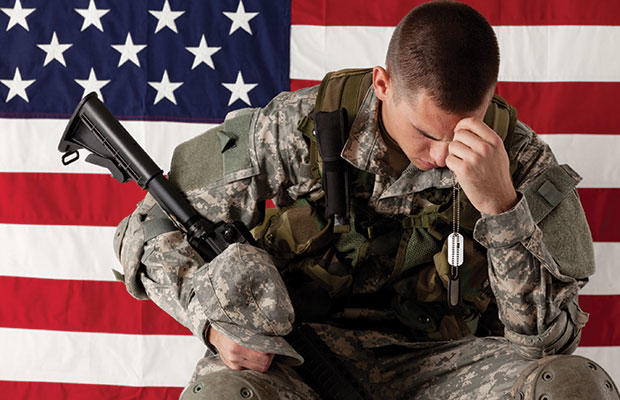
Today, the Purple Heart could come to symbolize the pain and suffering soldiers endure during wartime. Many of these soldiers return from war with physical and mental scars. Many develop post-traumatic stress disorder or PTSD. The Purple Heart signifies the appreciation of the country for their effort and sacrifice. 

However, there is a debate on whether soldiers who’ve returned with PTSD should be awarded the Purple Heart. The argument is that the award itself may be a trigger for all the pain, anger, despair, worry, and all the other negative emotions brought about by war. And this trigger may later lead to worse actions such as violent outbursts toward people in the immediate vicinity or even self-harm.

Trigger or not, the intention behind the creation and existence of the Purple Heart is noble, to say the least. And if it does symbolize pain and suffering for veterans with PTSD, a citation would be enough.

Image source: history.com

Dr. Tom Maibenco is a family physician, an active community member, and a supporter of the Wounded Warrior Project. He is also an animal lover and advocate. For similar reads, visit this blog.

The cost: Two awful effects of armed conflict on soldiers

Survivors of wars, skirmishes, and other types of armed conflict never come out the other side the same. They are usually scarred both physically and mentally. This is the case for so many of the people who’ve served the country and its armed forces, as well as the police who’ve fought to protect and serve in the most violent places. 

Image source: imgur.com

Wars and other armed conflicts usually dispense two types of disorders on survivors. Let’s take a look at them. 

PTSD 

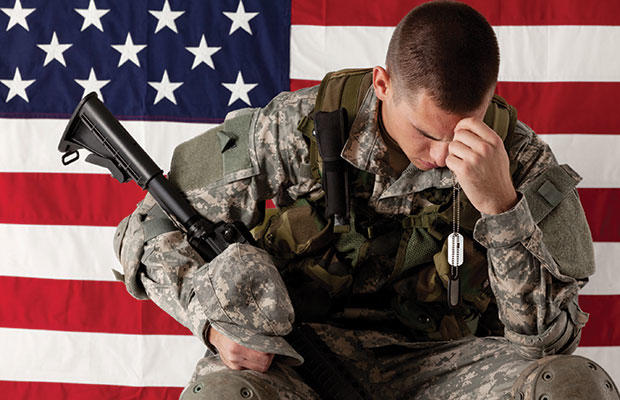
Post-traumatic stress disorder or PTSD is a condition that manifests itself a few months after a traumatic event. There are levels to PTSD with the more severe cases causing the patient to be a serious threat to themselves as well as those around them. There have been several accounts of soldiers becoming extremely violent because of PTSD. Like depression, this order is not a choice and cannot be overcome by will alone. Professional help should be sought after once a person is suspected of having PTSD. 

Shell shock 

Armed conflict is full of loud noises, and this is the basis of shell shock. When people with shell shock go back to their daily routine in peace, loud noises are often enough to trigger an episode. People with the condition often shake uncontrollably and panic whenever loud noises surprise them. 

Image source: thetimesweekly.com

Family physician Dr. Tom Maibenco is a philanthropist who helps the men and women who have served the country and are suffering from PTSD. More on Dr. Maibenco’s practice here.